Renter's Guide to Water Damage Restoration in Denver: Know Your Rights
Published: 2026-05-02 · By SupremePros Water Damage Repair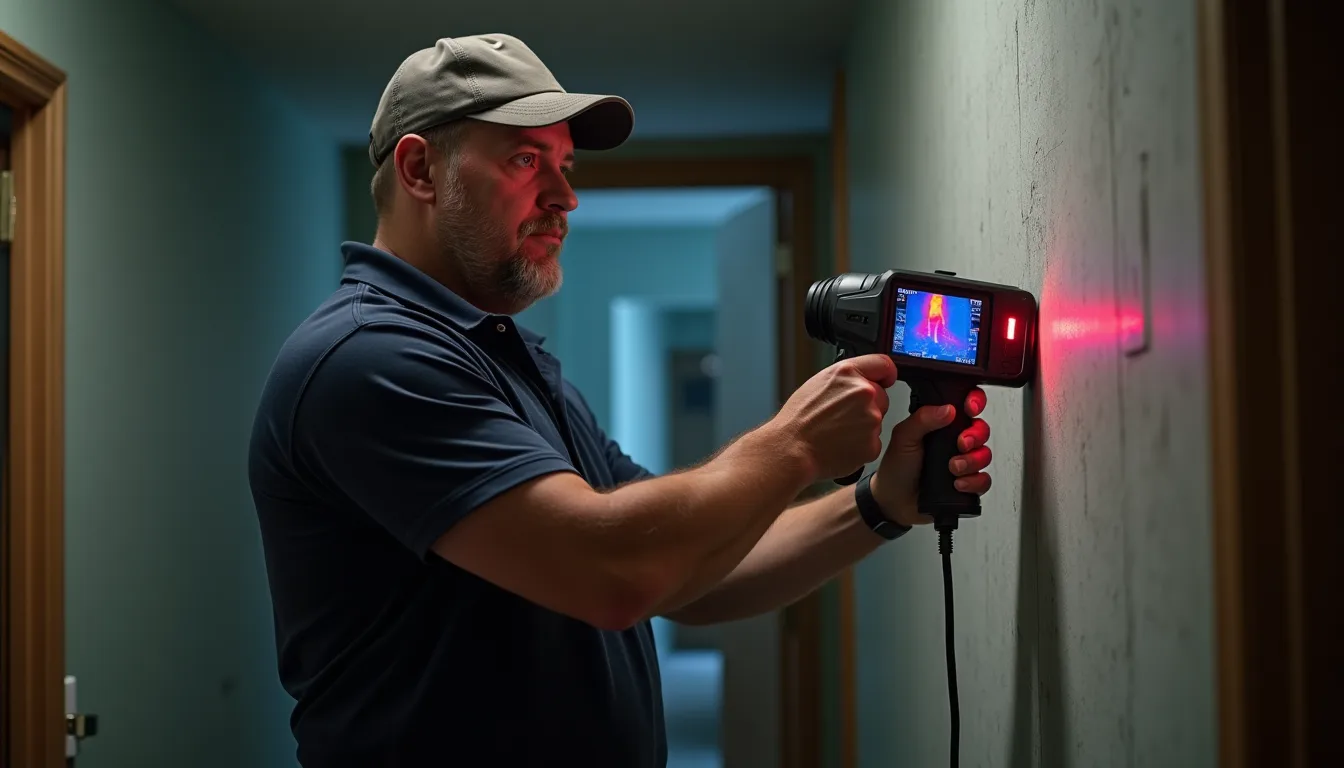
Imagine waking up in the heart of Denver, only to find your living room flooded after an unexpected spring hailstorm. With the rapid temperature swings and heavy snowmelt, water damage in Colorado can happen in the blink of an eye. As a renter, understanding your rights and responsibilities regarding water damage restoration is crucial. Navigating the aftermath of such an incident is daunting, but being educated about your options helps you respond confidently and effectively.
Why This Matters for Denver Homeowners
Water damage restoration is not just a property issue; it directly impacts your comfort and financial stability as a Denver renter. Many apartments and homes in the area are situated on expansive clay soils that complicate drainage, making them susceptible to flooding during weather events. In the spring, when rapid freeze-thaw cycles occur, even minor water intrusion can lead to significant structural and health problems, from mold growth to compromised insulation.
This becomes particularly urgent during summer thunderstorms, which can deliver damaging hail and torrential rain. Ignoring the signs of water damage might lead to disagreements with landlords, especially concerning restoration responsibilities. Being informed about your rights can save you time, money, and stress later.
Expert Solutions & Actionable Tips
1. Know Your Lease Agreement
Your lease is your first line of defense in understanding your rights regarding water damage. It should clearly outline the responsibilities of both the landlord and tenant. Often, landlords are responsible for major repairs, including water damage restoration, but clarifying this upfront can avoid disputes later on.
According to Denver landlord-tenant laws, if water damage affects your habitability, you can request repairs be made within a reasonable time, typically seen as within 10 to 30 days depending on the severity.
2. Document Everything
In the wake of sudden water damage, thorough documentation is crucial. Take clear photos of the affected areas and maintain records of all communications with your landlord regarding repairs. This practice is valuable, particularly if disputes arise about the state of the property or repair times.
Consider keeping a log of repair requests along with their responses. For severe damage cases, hiring a professional inspector may further substantiate your claims, showcasing the extent of damage beyond just visual assessments.
3. Understand Your Rights Under Colorado Law
In Denver, renters are protected under Colorado laws that require landlords to ensure their properties are safe and livable. If a persistent water issue arises, you have the right to withhold rent until repairs are made, but this should be approached cautiously, ideally after informing your landlord in writing.
Look into the Colorado Department of Local Affairs for guidelines about tenants’ rights regarding habitability and repairs. Community resources and legal aid are also available should you need assistance navigating disputes.
4. Respond Quickly After Water Intrusion
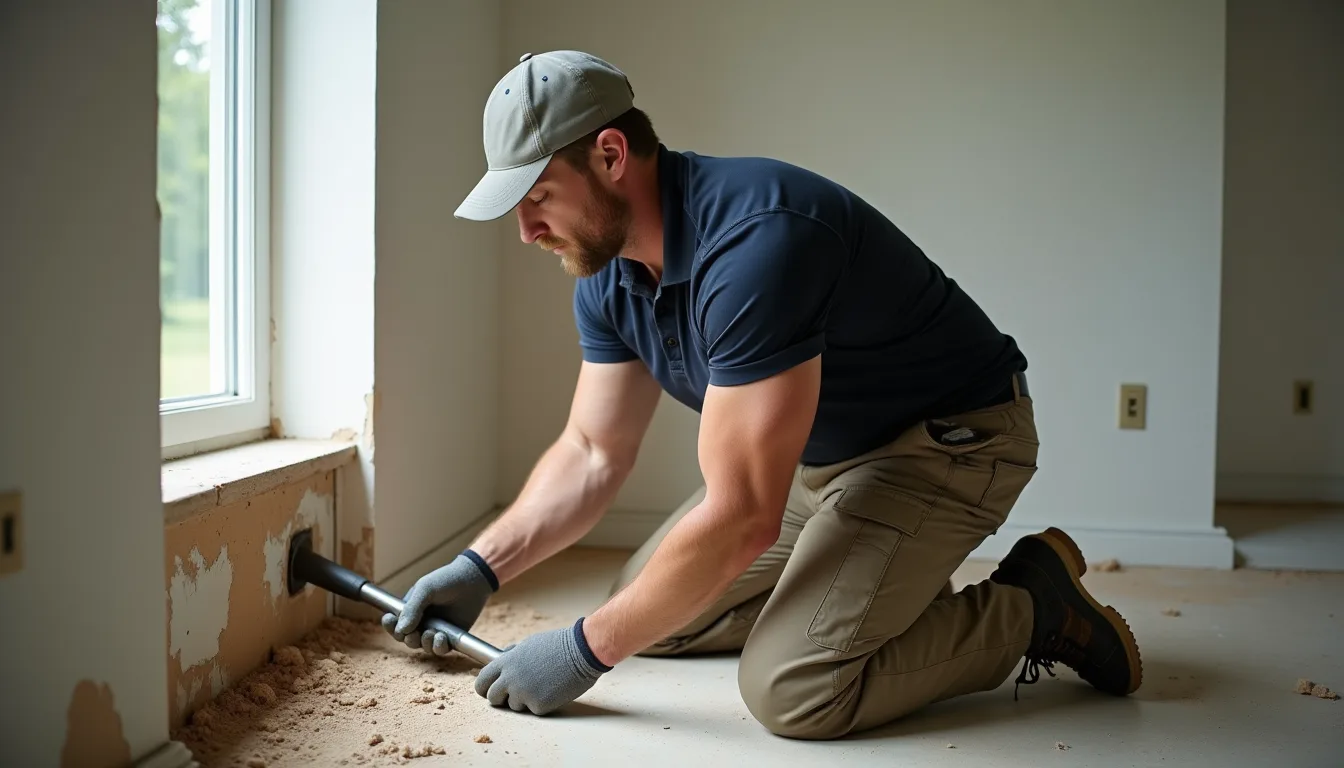
Acting quickly can significantly reduce the damage caused by water intrusion. After an incident, attempt to dry out the area as best as you can—use fans or dehumidifiers if available. However, do not hesitate to call a professional like SupremePros Water Damage Repair if the damage is extensive.
Drying out an area ideally should begin within 24 to 48 hours after the event to prevent mold growth, which can be a costly outcome. In Denver, hiring a restoration service can range from $1,500 to $3,500 for complete drying and repairs.
5. Assess Insurance Coverage
Evaluate your renter's insurance policy. Most policies cover certain types of water damage, but it’s essential to know the specifics. Typical premium rates for renter's insurance in Denver range from $15 to $30 per month, typically covering repairs to personal property due to water damage.
If your rental insurance covers water damage, be proactive in filing claims quickly, documenting losses thoroughly, and cooperating with your insurance adjuster to ensure coverage. Delayed reporting can lead to denied claims, especially for weather-related incidents.
6. Choose the Right Restoration Service
Selecting a water damage repair service is critical to ensuring your dwelling is restored properly. Research companies like SupremePros Water Damage Repair based in Denver for reliable service. Look for reviews, response times, and warranties offered for the work performed.
It’s advisable to get multiple quotes—a full restoration typically ranges from $2,000 to over $5,000, depending on the severity of the damage and necessary repairs. A reputable local company can expedite the process effectively and address Colorado-specific issues like clay soil concerns.
Denver Climate & Local Context
Denver's climatic challenges can play a significant role in water damage issues. The city experiences rapid temperature swings and has a high occurrence of hailstorms, coupled with heavy spring snowmelt that can saturate grounds. Many homes here are built on expansive clay soils, a reality that poses unique drainage challenges.
Given this context, it's crucial for renters to understand the local building codes and permitting processes related to water damage repairs. Local regulations may require permits for significant renovations or restorations due to water damage, ensuring that repairs meet safety and structural standards. Familiarization with these codes empowers renters to advocate for their rights effectively.
When to Call a Professional
While it might be tempting to tackle water damage issues yourself, assessing the situation is vital. Minor leaks or water stains may be manageable with DIY techniques, but significant flooding or structural damage requires professional intervention. If you notice water pooling, mold growth, or a persistent musty odor, it's time to call in the experts.
- Presence of black mold or previous mold-related issues.
- Walls or floors warped or soft to the touch.
- Water intrusion continues despite attempts at drying.
- Persistent leaks from plumbing or roof issues.
- Structural instability around windows or doors.
- Health-related symptoms worsening without clear cause.
For effective and speedy restoration, collaborating with a local expert such as SupremePros Water Damage Repair ensures you receive the necessary service tailored to Denver's specific weather and soil conditions.
Frequently Asked Questions
What should I do immediately after discovering water damage?
First, turn off the water source if it’s safe to do so. Document the damage with photos and report it to your landlord as soon as possible. If the damage is severe, contacting a restoration service like SupremePros Water Damage Repair shouldn't be delayed.
How can I tell if I have mold because of water damage?
Signs of mold may include a musty smell, visible spots on walls or ceilings, and health symptoms like allergies. If you suspect mold, contact a professional for an inspection right away.
Are landlords obligated to fix water damage in Denver?
Yes, Denver landlords must provide habitable conditions, including fixing water damage that affects the livability of a rental property. If they fail to act, you may have grounds for legal recourse.
What are typical costs for water damage restoration in Denver?
Restoration costs can vary widely based on damage severity, ranging from approximately $1,500 to over $5,000. Professionally assessing the damage will provide a clearer cost estimation.
When is it necessary to hire specialists for water damage?
Hiring specialists is essential when facing significant flooding, structural concerns, severe mold, or ongoing issues that DIY methods can't adequately address.
Get Expert Water Damage Restoration Service in Denver
In navigating the complexities of water damage restoration as a renter in Denver, knowledge is your best ally. If you find yourself facing water damage challenges, don't hesitate to reach out to SupremePros Water Damage Repair. Call (719) 220-9931 for expertise tailored to your local situation.
Understanding your rights and the right steps to take can make all the difference in restoring your home promptly and effectively, ensuring you return to a safe, comfortable living environment.
Related Services
More Articles
Why Denver Homeowners Should Test for Asbestos Before Water Damage Restoration
2026-05-02
Water Damage RestorationDIY vs Professional Water Damage Restoration in Denver: When to Call the Experts
2026-05-02
Water Damage RestorationHow Denver Homeowners Can Reduce Water Damage Restoration Insurance Premiums
2026-05-02