DIY vs Professional Water Damage Restoration in Denver: When to Call the Experts
Published: 2026-05-02 · By SupremePros Water Damage Repair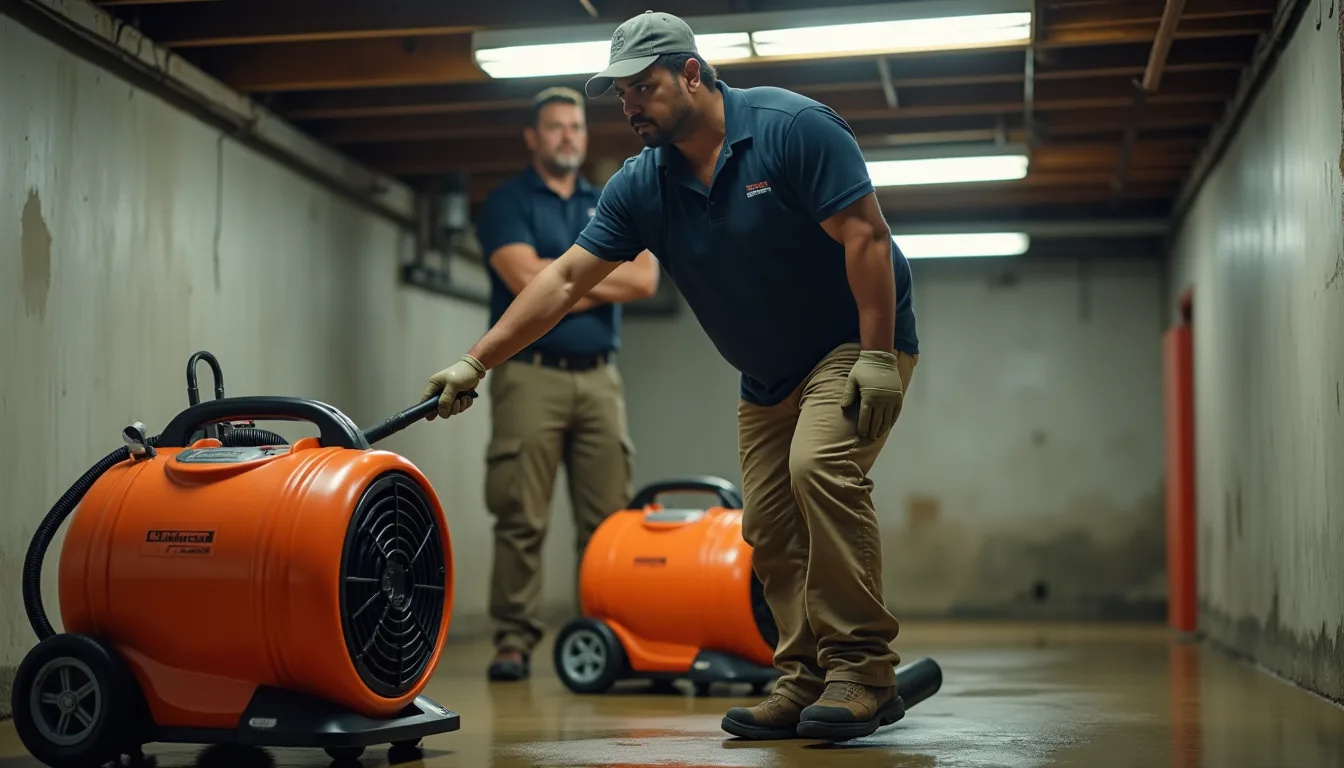
As a Denver homeowner, have you ever walked into your basement after a heavy spring snowmelt or a sudden downpour only to discover a pool of water where your family keeps their holiday decorations? With our climate's rapid temperature changes and propensity for hailstorms, the possibility of water damage is ever-present. Understanding when to repair the issue yourself and when to call in the pros could save you both time and money. Let's explore the nuances of water damage in our diverse weather conditions and how they affect your home.
Why This Matters for Denver Homeowners
In Denver, homes frequently built on expansive clay soils lead to unique challenges when it comes to drainage and water management. This soil type can swell with moisture during spring thaws, putting immense pressure on foundational structures.
Moreover, freeze-thaw cycles can severely impact the integrity of homes. Water can seep into cracks during the thawing phase and freeze again, exacerbating damage.
Ensure that your gutters and downspouts are clear and functional before the spring melt; failing to do so can lead to costly repairs.
Additionally, the mix of rapid temperature swings and heavy rains increases the potential for basement flooding, requiring attention. Neglecting these issues can result in mold growth and extensive property damage, which not only affects your living space but can also lead to long-term health concerns.
Expert Solutions & Actionable Tips
1. Regular Inspections Save You Money
Conduct seasonal inspections of your property to identify potential water damage early. Look for dark spots on walls, moisture on ceilings, or musty odors. A half-hour inspection can save you thousands in repairs, especially during rapid weather changes common in Denver.
Cost: Any potential repairs discovered early will likely range from $100 to $500 instead of the $2,000 to $5,000 it may cost for significant damage.
2. Understand Your Insurance Policy
Review your homeowner’s insurance to comprehend your coverage for water damage. Certain policies may have exclusions for flooding, while others may cover sudden leaks or overflow.
Certain policies might focus on mold remediation, which is a significant concern in Denver due to humidity from snowfall and melting. Understanding this aspect can save you unexpected out-of-pocket costs.
3. Utilize Moisture Meters
Investing in a moisture meter can help you gauge the levels of moisture in different building materials, from wood to drywall. For Denver homeowners, this small device can be a game-changer in identifying water damage.
Moisture meters typically range from $30 to $150 based on features. This tool allows you to make informed decisions on when to seek professional help.
4. Maintain Your Landscaping
Proper landscaping can deter water from pooling around your foundation. Ensure that flower beds slope away from your home's base. Effective grading combined with strategic plant placement helps manage water runoff from heavy rain or snowmelt.
Investing in professional landscaping can cost between $1,000 and $3,000, but it protects your home from water intrusion.
5. Know When to Use a Dehumidifier
Using a dehumidifier during spring thaws can help control moisture levels in the air and prevent mold growth. This is particularly crucial in basements where moisture can accumulate unnoticed.
A decent portable dehumidifier can be purchased for about $150 to $300, making it a worthwhile investment in protecting your home.
6. Emergency Kits and Plans
Having an emergency kit with basic water removal tools like a wet/dry vacuum can provide immediate assistance during water leaks or floods. In Denver, rapid response can mitigate damage from sudden downpours.
A basic emergency kit costs about $100 but can save you significantly in emergency repair costs. Include a plan for emergencies, identifying local restoration services like SupremePros Water Damage Repair.
Denver Climate & Local Context
Denver's unique climate, characterized by its high altitude and drastic weather variations, creates a fertile ground for water-related issues. With rapid temperature swings, particularly during spring, the components of your home's structure may face significant stress, which can lead to potential damage.
The expansive clay soils common in the area alter how homes manage water, meaning great care must be taken during new construction or renovations. Local building codes often require specialized drainage systems in areas susceptible to flooding.
Additionally, homeowners must navigate permits for extensive repairs, making familiarity with local regulations vital to expedite necessary renovations. Not getting the right permits can slow down repairs and potentially lead to penalties.
When to Call a Professional
While DIY methods can be appealing for small issues, knowing when to call a professional can save time and trouble. If you encounter the following problems, it's time to reach for your phone:
- Water pooling that continues despite your best efforts.
- Visible mold growth beyond a small area.
- Severe leaks requiring structural alterations.
- Long-lasting odors of mildew.
- Recent natural disasters have caused widespread damage in your neighborhood.
- Water damage in areas behind walls or under floors that you cannot access.
- There is uncertainty about the source of the water (i.e., is it clean or harmful?).
Understanding the boundaries of DIY can help protect your investment. Professional water damage experts like SupremePros can handle complex scenarios that might otherwise overwhelm an untrained homeowner.
Frequently Asked Questions
What is the average cost for water damage restoration in Denver?
The average cost varies depending on the extent of damage, typically ranging between $1,500 and $3,500 for minor issues.
Can I claim water damage insurance in Denver?
Yes, but it depends on your policy specifics. Ensure your policy covers occurrences like sudden leaks, as flooding might not be included.
How quickly should I address water damage?
It’s crucial to address water damage within 24 to 48 hours to prevent mold growth and further complications.
What are the long-term effects of untreated water damage?
Untreated water damage can lead to mold growth, structural damage, and health issues, substantially increasing repair costs.
How can I prevent water damage during heavy snowmelt?
Ensuring proper drainage around your property is key. Maintain clear gutters and downspouts. Landscape to divert water away from your foundation.
Get Expert Water Damage Restoration Service in Denver
If you’re facing water damage issues this season, don’t wait until it’s too late. Call (719) 220-9931 for a consultation with SupremePros Water Damage Repair. Our expertise in Denver's specific challenges can help secure your home’s health and safety.
Consider reaching out today to understand how we can assist you in navigating the complexities of water damage restoration in our region.
Related Services
More Articles
Why Denver Homeowners Should Test for Asbestos Before Water Damage Restoration
2026-05-02
Water Damage RestorationHow Denver Homeowners Can Reduce Water Damage Restoration Insurance Premiums
2026-05-02
Water Damage RestorationTop 7 Water Damage Restoration Prevention Tips Every Denver Homeowner Should Know
2026-05-02